

Time:2023.12.14Browse:1
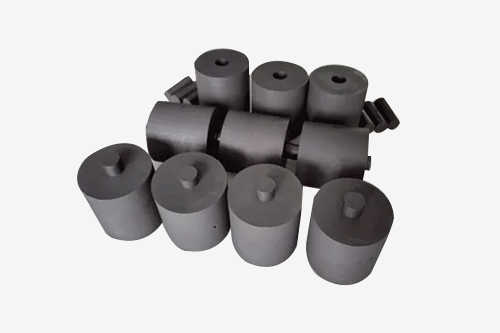
Graphite bearings are important high-temperature bearings that utilize the self-lubricating, high-temperature resistance, and chemical inertness of graphite materials to operate under high temperature and strong corrosion conditions that ordinary bearings cannot withstand. The main functions of graphite bearings are:
1. Support function: Graphite bearings are installed on the rotor and shaft of the equipment to support the axial and radial loads of the rotor, enabling it to rotate stably. 2. Guiding effect: The annular graphite sheet inside the graphite bearing can guide the rotor, controlling its movement direction to maintain a certain range.
3. Friction reduction effect: Graphite bearings can utilize the self-lubricating properties of graphite to form a layer of graphite film between two sliding surfaces, effectively reducing friction and friction coefficient.
4. Pressure bearing effect: Graphite bearings are formed by multiple graphite rings through die casting, which can withstand large axial and radial pressures.
5. Insulation function: Graphite has good insulation performance, and graphite bearings can effectively prevent high temperature from spreading outward, providing good insulation and fire resistance protection for equipment.
Graphite bearings have the following advantages:
1. Using high-quality graphite raw materials, it has high density, good formability, high mechanical strength, and can work in extreme environments for a long time.
2. The advanced Triple-LS double action pressure single action mold design has fast forming speed, high forming accuracy, and high production efficiency.
3. Strict quality control standards ensure that product dimensional accuracy is at the international advanced level.
4. The R&D team has rich experience in designing and manufacturing graphite bearings, and can provide personalized customization services.
5. With strong production equipment and testing methods, the production capacity and product quality can fully meet the needs of high-end equipment. 6. Improve after-sales service, continuously optimize products based on customer feedback, and provide professional technical support and on-site guidance.

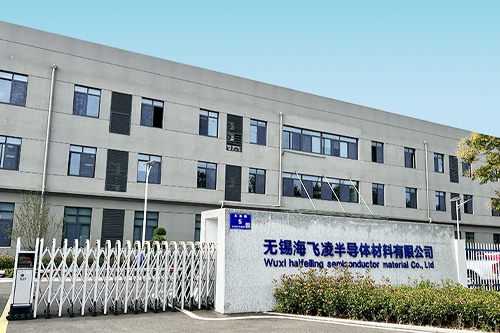
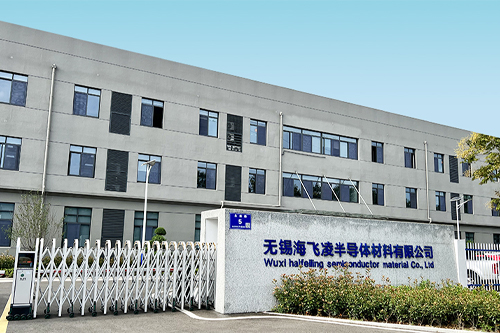
Haifeiling owns domestic advanced technology, equipment and high-level R D team, and is committed to creating well-known brand trademarks of Haifeiling products











 4008-168-001


 2023-12-13