



Time:2023.12.19Browse:1
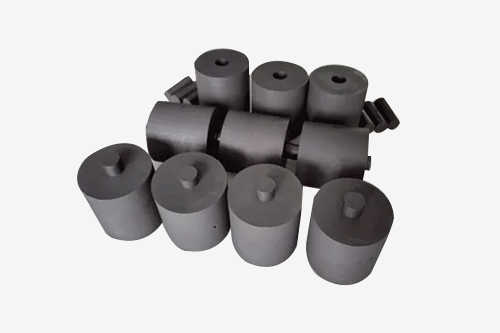
Graphite plate is a common conductive material commonly used in the manufacturing of devices such as batteries, capacitors, and graphene. Its rolling methods can be divided into the following types:
Mechanical rolling: Mechanical rolling refers to the process of pressing a graphite plate into a specific shaped mold through a rolling machine, using pressure to form the desired size and shape of the product. This method is commonly used to produce large graphene sheets, graphite rods, and other products.
Chemical rolling: Chemical rolling refers to the process of combining graphite plates with specific materials (such as polymer materials) through chemical reactions to form products of the desired size and shape. This method can be used to produce composite graphene materials, such as graphene fibers, graphene fabrics, etc.
Laser rolling: Laser rolling refers to the process of melting a graphite plate at a specific temperature through laser irradiation, and then pressing it into a mold of a specific shape to form the desired size and shape of the product. This method is commonly used to produce high-precision graphene products, such as graphene films, graphene targets, etc.
Plasma rolling: Plasma rolling refers to the process of softening a graphite plate at a specific temperature through plasma treatment, and then pressing it into a specific shaped mold to form the desired size and shape of the product. This method can be used to produce high toughness graphene products, such as graphene rubber, graphene fibers, etc.
In summary, the rolling method of graphite plates can be selected based on the size, shape, and performance of the required product to meet different application requirements.
 2023-03-20
The size of a material particle determines its proper name. As you asked, micro-powder is a micron-sized powder. In the graphite industry, micro-powder generally refers to a particle with a median diameter of 10~45 microns, and ultra-micro-powder to a particle with a median diameter of less than 5 microns.
Haifeiling owns domestic advanced technology, equipment and high-level R D team,
and is committed to creating well-known brand trademarks of Haifeiling products



Application Area
Technology Center
Contact Us










 4008-168-001