



Time:2023.06.07Browse:1
The chemical properties of single -mass carbon at room temperature are relatively stable, insoluble in water, dilute acid, dilute alkali and organic solvents; burning with oxygen at different high temperatures to generate carbon dioxide or carbon dioxide; Below, single -quality carbon is more likely to be oxidized by acid; at high temperature, carbon can also react with many metals to generate metal carbides. Carbon is restored and can smell metal at high temperature.
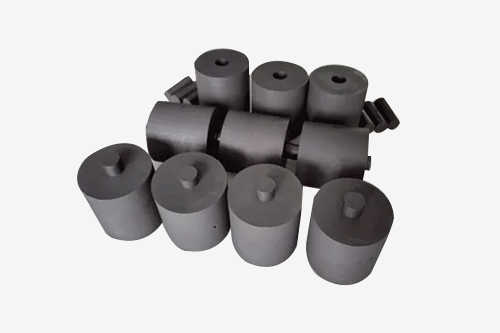
Graphite is soft, black and gray; it is greasy and can contaminate paper. The hardness is 1-2, and the hardness can be increased to 3 to 5 along the vertical direction. The proportion is 1.9 ~ 2.3. The surface area is concentrated at 1-20m2/g. Under the isolation of oxygen conditions, its melting point is above 3000 ° C. It is one of the most temperature-resistant minerals. It can conduct electricity and heat conduction.
There is no pure graphite in nature, which often contains impurities such as SIO2, Al2O3, Feo, CAO, P2O5, CUO. These impurities often appear in minerals such as quartz, yellow iron ore, carbonate and other minerals. In addition, there are gas parts such as water, asphalt, CO2, H2, CH4, and N2. Therefore, in addition to the fixed carbon content, the content of volatilization and gray score must be measured in addition to the fixed carbon content.
Graphite and diamond, carbon 60, carbon nanotubes, graphene, etc. are both the monomer of carbon elements, and they are similar aliens.

Haifeiling owns domestic advanced technology, equipment and high-level R D team, and is committed to creating well-known brand trademarks of Haifeiling products












 4008-168-001


 2023-04-06